How to Make Your Gut Healthy
Signs of a Healthy Gut
You may have a healthy gut when you often have:
- Regular bowel movements (not too hard, not too loose)
- Less bloating and gas
- Good energy and stable mood
- Fewer stomach problems after meals
1) Eat More Fiber (Most Important Step)
Fiber feeds good gut bacteria. When bacteria break down fiber, they make helpful compounds (like short-chain fatty acids) that support gut health.
How much fiber do you need?
The WHO recommends at least 25 grams of natural dietary fiber daily for people older than 10 years.
Best easy fiber foods
- Fruits: banana, apple, guava, berries
- Vegetables: carrots, spinach, broccoli, beans
- Whole grains: oats, brown rice, whole wheat, millets
- Legumes: dal, chickpeas, rajma, black chana
- Nuts & seeds: almonds, flaxseed, chia
✅ Tip: Increase fiber slowly (over 1–2 weeks) to reduce gas/bloating. Drink more water too.
2) Add Fermented Foods (Natural Probiotics)
Fermented foods can support gut microbes. Research shows a diet rich in fermented foods can increase gut microbiome diversity and may reduce some inflammation markers.
Easy fermented foods
- Yogurt/curd (with live cultures)
- Buttermilk
- Idli/dosa batter (naturally fermented)
- Pickles (naturally fermented, not vinegar-only)
- Kimchi, sauerkraut (if available)
✅ Tip: Start small—2–3 spoonfuls a day—then increase if you feel good.
3) Eat “Prebiotic” Foods (Food for Good Bacteria)
Prebiotics are fibers that feed good bacteria.
Simple prebiotic foods
- Onion, garlic
- Banana (slightly green is okay)
- Oats
- Chickpeas/beans
- Apples
4) Drink Enough Water (Helps Digestion)
Water helps:
- soften stool (less constipation)
- support fiber work better
- improve overall digestion
✅ Tip: If you increase fiber, increase water too.
5) Reduce Ultra-Processed Foods and Too Much Sugar
Ultra-processed foods (chips, packaged sweets, fast food, sugary drinks) may harm gut balance and increase inflammation in some people.
Try to limit
- Sugary soft drinks
- Packaged snacks daily
- Deep-fried fast foods often
- Very high sugar desserts daily
✅ Better swaps: fruit, nuts, roasted chana, homemade snacks, curd-based snacks.
6) Sleep Well (Your Gut Needs Rest Too)
Poor sleep can disturb digestion and may affect gut microbes. Aim for 7–9 hours if possible.
Easy sleep tips:
- Fixed sleep time
- Light dinner (2–3 hours before bed)
- Less phone screen 30 minutes before sleep
7) Manage Stress (Stress Directly Affects the Gut)
Your brain and gut are connected (often called the gut–brain connection). Long stress can worsen acidity, bloating, IBS-like symptoms.
Easy daily stress tools:
- 10-minute walk after meals
- Deep breathing (5 minutes)
- Short meditation
- Journaling or prayer
8) Move Your Body Every Day
Regular exercise supports bowel movement and overall gut function.
Best simple habits:
- 20–30 minute brisk walk
- Light strength training 2–3 times/week
- Yoga stretches for digestion
9) Be Careful With Antibiotics (Use Only When Needed)
Antibiotics can reduce harmful bacteria—but they can also disturb helpful gut bacteria. Use antibiotics only when prescribed, and follow doctor advice.
10) Consider Probiotics (Only When Useful)
Probiotic supplements are not always needed for healthy people. Medical guidelines note probiotics may help in certain gut conditions, but benefits depend on the specific strain and situation.
✅ Best first step: food (fiber + fermented foods).
If you have a medical issue, ask a doctor which probiotic is right for you.
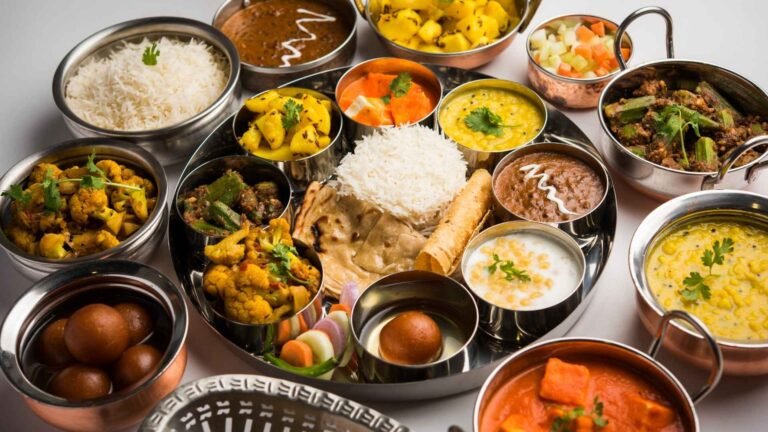
One-Day Simple Gut-Healthy Meal Example (Indian Style)
Breakfast: Oats porridge + banana OR idli + curd
Mid-morning: Fruit (guava/apple) + water
Lunch: Dal + brown rice/roti + sabzi + salad
Evening: Roasted chana / nuts + buttermilk
Dinner: Light khichdi / roti + veggies + curd
After dinner: 10–15 minute walk
When to See a Doctor (Don’t Ignore These)
Get medical help if you have:
- Blood in stool or black stool
- Severe belly pain
- Unexplained weight loss
- Fever with diarrhea
- Diarrhea/constipation lasting more than 2–3 weeks
Quick Gut Health Checklist (Daily)
✅ 25g+ fiber (slowly increase)
✅ 1 fermented food serving
✅ Enough water
✅ Walk/movement
✅ 7–9 hours sleep
✅ Stress control (5–10 minutes)