History of the Kohinoor Diamond
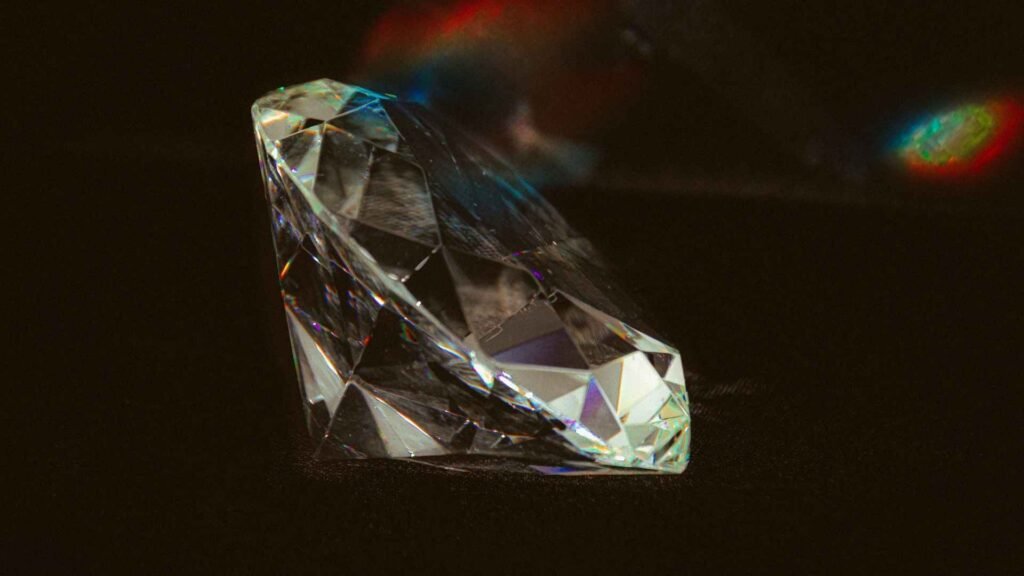
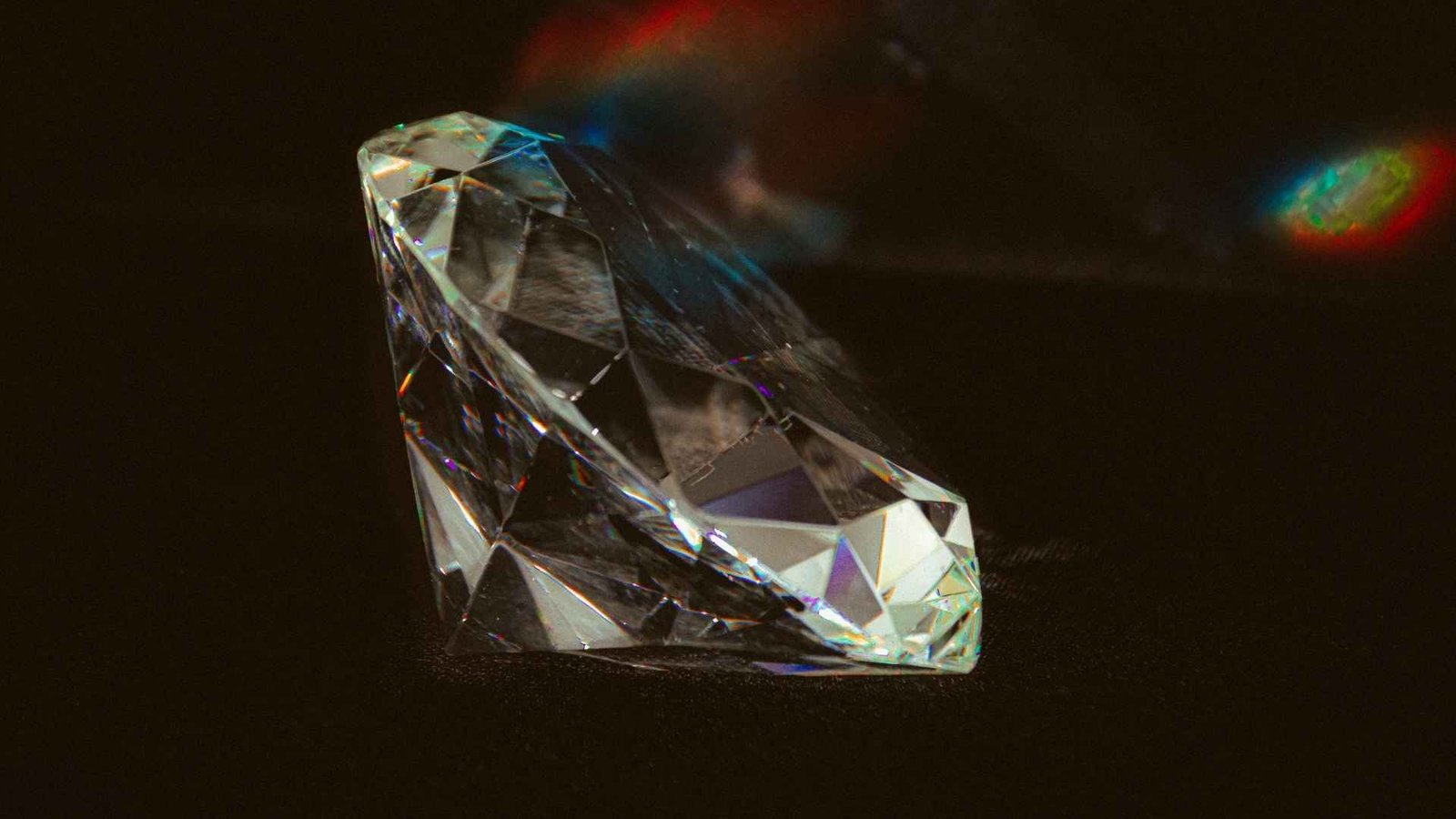
The Kohinoor diamond is one of the most famous diamonds in the world. Its name comes from Persian words meaning “Mountain of Light.” For centuries, it has been linked to kings, empires, wars, and colonial history.
Today, the Kohinoor is part of the British Crown Jewels and is kept at the Tower of London. However, its journey began in India many centuries ago.
1. Where Was the Kohinoor Found?
Most historians believe the Kohinoor was found in the Golconda mines in present-day Telangana, India, around the 13th century. The Golconda region was famous for producing large and high-quality diamonds.
At that time, diamonds were not cut like modern diamonds. They were kept in their natural shape and valued mainly for their size and rarity.
2. Early Indian Rulers and the Mughal Empire
The diamond passed through several Indian rulers. It became famous during the time of the Babur, the founder of the Mughal Empire in 1526. Babur mentioned a great diamond in his memoir, the Baburnama, which many historians believe was the Kohinoor.
Later, it became part of the royal treasures of the Mughal Empire. The diamond was placed in the magnificent Peacock Throne, built by Emperor Shah Jahan, who also built the Taj Mahal.
During this period, the diamond symbolized power and wealth.
3. Persian and Afghan Rule
In 1739, Persian ruler Nader Shah invaded India and defeated the Mughal Empire. He looted Delhi and took the Peacock Throne and the diamond to Persia.
It was Nader Shah who reportedly gave the diamond the name “Koh-i-Noor.”
After his death, the diamond passed to Afghan rulers, including Ahmad Shah Durrani. The stone continued to change hands through wars and political struggles.
4. Sikh Empire and Maharaja Ranjit Singh
In the early 19th century, the diamond came into the possession of Maharaja Ranjit Singh, the powerful ruler of the Sikh Empire in Punjab.
Ranjit Singh wore the Kohinoor as a symbol of strength and authority. Before his death in 1839, he reportedly expressed a wish to donate the diamond to a Hindu temple, but this did not happen.
5. British East India Company and Annexation
After the death of Ranjit Singh, political instability weakened the Sikh Empire. In 1849, the British defeated the Sikh kingdom and annexed Punjab under the British East India Company.
As part of the Treaty of Lahore, the Kohinoor diamond was handed over to the British. It was presented to Queen Victoria in 1850.
This transfer remains controversial even today.
6. Recutting of the Diamond in Britain
When the diamond arrived in Britain, many people felt it did not shine enough. In 1852, it was recut to improve its brilliance.
Originally, the Kohinoor weighed about 186 old carats. After recutting, its weight was reduced to 105.6 carats. While it became more sparkling, it also became smaller.
7. The Kohinoor Today
Today, the Kohinoor is set in the crown made for Queen Elizabeth (the Queen Mother). It is displayed publicly at the Tower of London as part of the British Crown Jewels.
The diamond is no longer worn regularly but remains a symbol of British royal history.
8. Modern Debate and Ownership Controversy
India, Pakistan, Afghanistan, and Iran have all claimed historical ownership of the Kohinoor. India has officially requested its return multiple times, arguing that it was taken during colonial rule.
The British government maintains that it was legally obtained under the Treaty of Lahore.
This debate continues, making the Kohinoor not just a jewel but also a symbol of colonial history and international discussion.
9. Why the Kohinoor Is So Famous
The Kohinoor is famous because:
- It is one of the largest historic diamonds.
- It passed through powerful empires.
- It is linked to wars and political change.
- It remains part of a major international debate.
Its story connects India’s medieval kingdoms, Persian invasions, Sikh rule, and British colonial history.
Conclusion
The Kohinoor diamond is more than a precious stone. It is a part of world history. From Indian mines to Mughal emperors, Persian rulers, Sikh kings, and finally the British Crown, its journey reflects centuries of power and politics.
Understanding its history helps us better understand the history of South Asia and colonial rule.
Research References (Verified Sources)
- The British Royal Collection Trust – Official history of the Kohinoor
- Tower of London – Crown Jewels Exhibition Guide
- The Baburnama (Memoirs of Babur) – Historical reference to the diamond
- William Dalrymple & Anita Anand – Koh-i-Noor: The History of the World’s Most Infamous Diamond (Bloomsbury Publishing)
- Encyclopaedia Britannica – “Koh-i-Noor diamond” entry
- National Museum Delhi – Historical records of Mughal and Sikh treasures