Ancient Universities of India: Nalanda, Taxila, Vikramashila & More
India has one of the world’s oldest traditions of higher learning. In ancient times, education happened in different ways—some places worked like teacher-led learning towns (like Takshashila/Taxila), while others were large residential monasteries with libraries and classrooms (like Nalanda). Encyclopedia Britannica
Below are the most famous ancient universities/learning centers of the Indian subcontinent (many are in today’s India, and a few are in present-day Pakistan and Bangladesh due to historical borders).
1) Takshashila (Taxila) – The Early Learning City
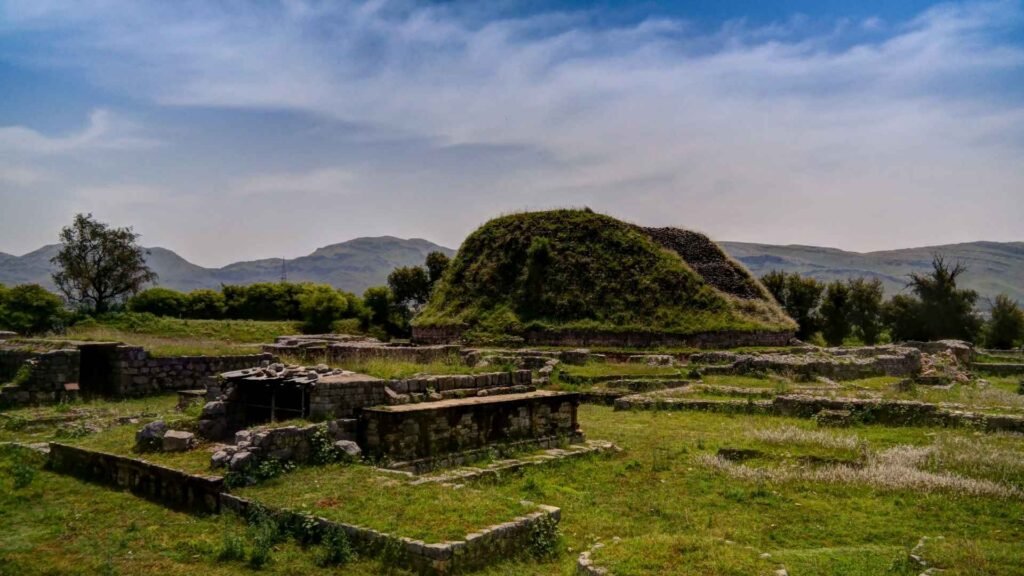
Where: Near modern Taxila (present-day Pakistan)
Taxila was a major center of learning, but it was not like a single campus university. Students studied under teachers who hosted pupils in their own homes or monasteries. Encyclopedia Britannica
Known for: Medicine, philosophy, language studies, law, and more (as described in historical accounts of Taxila as a learning hub). Encyclopedia Britannica+1
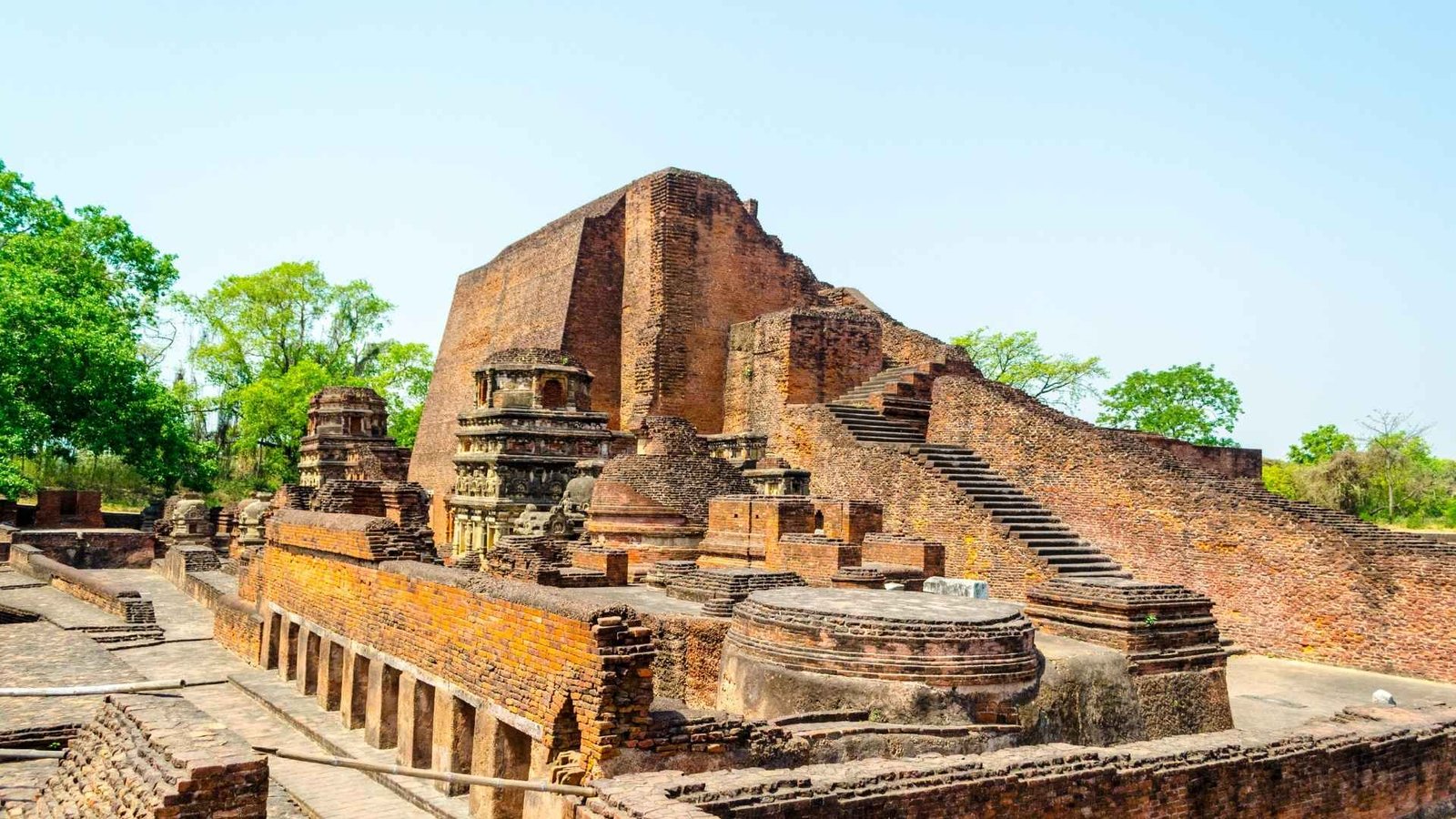
2) Nalanda – The Most Famous Residential University
Where: Nalanda, Bihar (India)
Nalanda is one of the best-known ancient learning institutions. UNESCO describes it as a major monastic and scholastic site, with remains dating from around the 3rd century BCE to the 13th century CE, and a long flourishing period roughly 5th–13th century CE. UNESCO World Heritage Centre
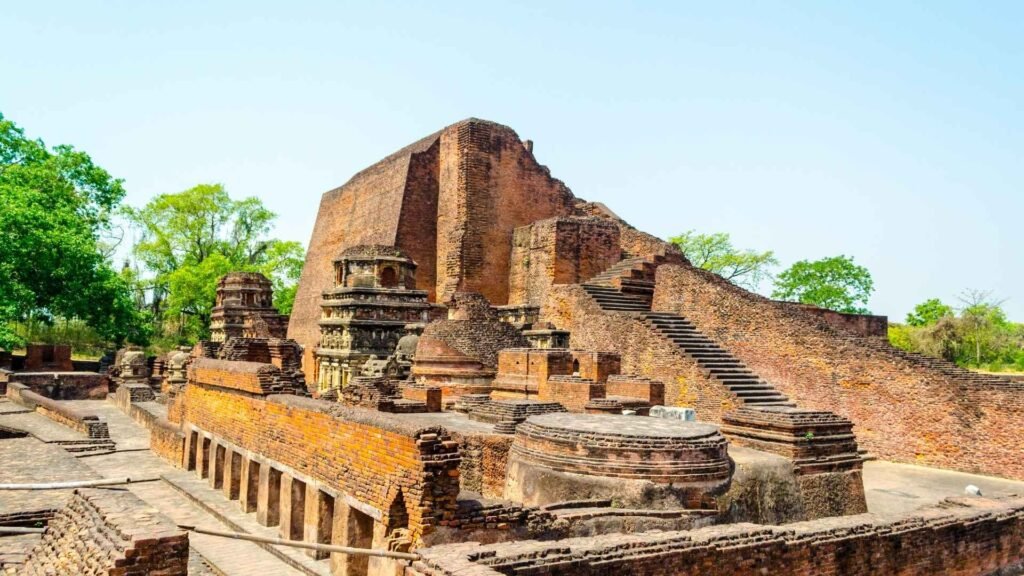
Why it’s important:
- One of the most influential learning centers in Asia
- Had organized teaching and large residential facilities
- Recognized as a UNESCO World Heritage Site UNESCO World Heritage Centre
3) Vikramashila – A Major Buddhist University of the Pala Era
Where: Near Antichak, Bhagalpur (Bihar, India)
Vikramashila was a well-known Buddhist center founded by King Dharmapala of the Pala dynasty. Bihar Tourism+2Wikipedia+2
Known for:
- High-level Buddhist scholarship (including Tantric/Vajrayana traditions in many accounts) Drishti IAS+1
- It is often mentioned alongside Nalanda and Odantapuri as a top Mahavihara of its time Wikipedia
4) Odantapuri – A Leading Center in Magadha
Where: Identified with modern Bihar Sharif, Bihar (India)
Britannica notes Odantapuri was a celebrated Buddhist learning center, founded by Gopala, the first Pala ruler, in the 7th century CE. Encyclopedia Britannica
Why it matters:
- One of the major Mahaviharas of eastern India
- Developed in the same broad intellectual world as Nalanda and Vikramashila Encyclopedia Britannica
5) Vallabhi (Valabhi) – A Famous Western India Learning Hub
Where: Saurashtra region (Gujarat, India)
Valabhi was known as a celebrated center of learning with many Buddhist monasteries. Britannica notes it was visited by the Chinese pilgrims Xuanzang and Yijing, and Yijing compared its fame to Nalanda. Encyclopedia Britannica
Known for:
- Buddhist learning and scholarly reputation
- Strong links with trade and cultural exchange Encyclopedia Britannica
Other Important Ancient Learning Centers (Worth Knowing)
These may not always be called “universities” in the modern sense, but they were powerful centers of education:
- Somapura Mahavihara (Paharpur) (present-day Bangladesh) – UNESCO says it was a renowned intellectual center from about the 7th century onwards and influential in Buddhist architecture. UNESCO World Heritage Centre
- Pushpagiri (Odisha region) – mentioned as a major Buddhist learning center in historical discussions of ancient institutions. Wikipedia
- Jagaddala Mahavihara (present-day Bangladesh) – a Pala-era seat of learning. Banglapedia+1
- Sharada Peeth (present-day Pakistan-administered Kashmir) – widely described as a famous ancient center of learning. Wikipedia+1
What Did Ancient Universities Teach?
Ancient Indian learning was not limited to religion. Many institutions taught:
- Philosophy and logic
- Medicine and healing traditions
- Grammar, languages, and literature
- Mathematics, astronomy, and debate traditions
(Exact subjects varied by place and time; some were more monastic, others more diverse.) Encyclopedia Britannica
Why Did Many Ancient Universities Decline?
Common reasons included:
- Political instability and loss of royal support
- Damage during conflicts and raids (many eastern Mahaviharas declined around the late medieval period) Wikipedia
- Shifts in trade routes and cultural centers over time
Q1. Which is the most famous ancient university of India?
Nalanda is the most famous and is a UNESCO World Heritage Site
Q2. Was Taxila a real university?
Taxila was a major learning center, but Britannica notes it was not a single university campus like Nalanda; teaching often happened under individual teachers and monasteries
Q3. Which ancient universities are UNESCO sites?
Nalanda is a UNESCO World Heritage Site, and Somapura (Paharpur) is also UNESCO-listed.