Battle of Galwan Valley (2020): Causes, Events, and Impact
The Battle of Galwan Valley was a serious military clash between India and China that took place in June 2020 in the Galwan Valley, a remote and high-altitude region of eastern Ladakh.
This incident marked the deadliest confrontation between India and China in over 45 years, drawing global attention to the long-standing border dispute between the two Asian powers.
Where Is Galwan Valley?
Galwan Valley is located in eastern Ladakh, close to the Line of Actual Control (LAC)—the de-facto border between India and China.
The region is strategically important because it connects key military routes and lies near sensitive border areas claimed by both nations.
Background of the Galwan Valley Conflict
India and China share a 3,488 km long disputed border, much of which is not clearly demarcated. Tensions have existed since the 1962 India-China war, with periodic standoffs and patrol clashes.
In early 2020, tensions increased due to:
- Infrastructure development by India near the LAC
- Increased Chinese military presence in eastern Ladakh
- Differing perceptions of the LAC alignment
Despite several diplomatic and military talks, the situation escalated in Galwan Valley.
What Happened in the Battle of Galwan Valley?
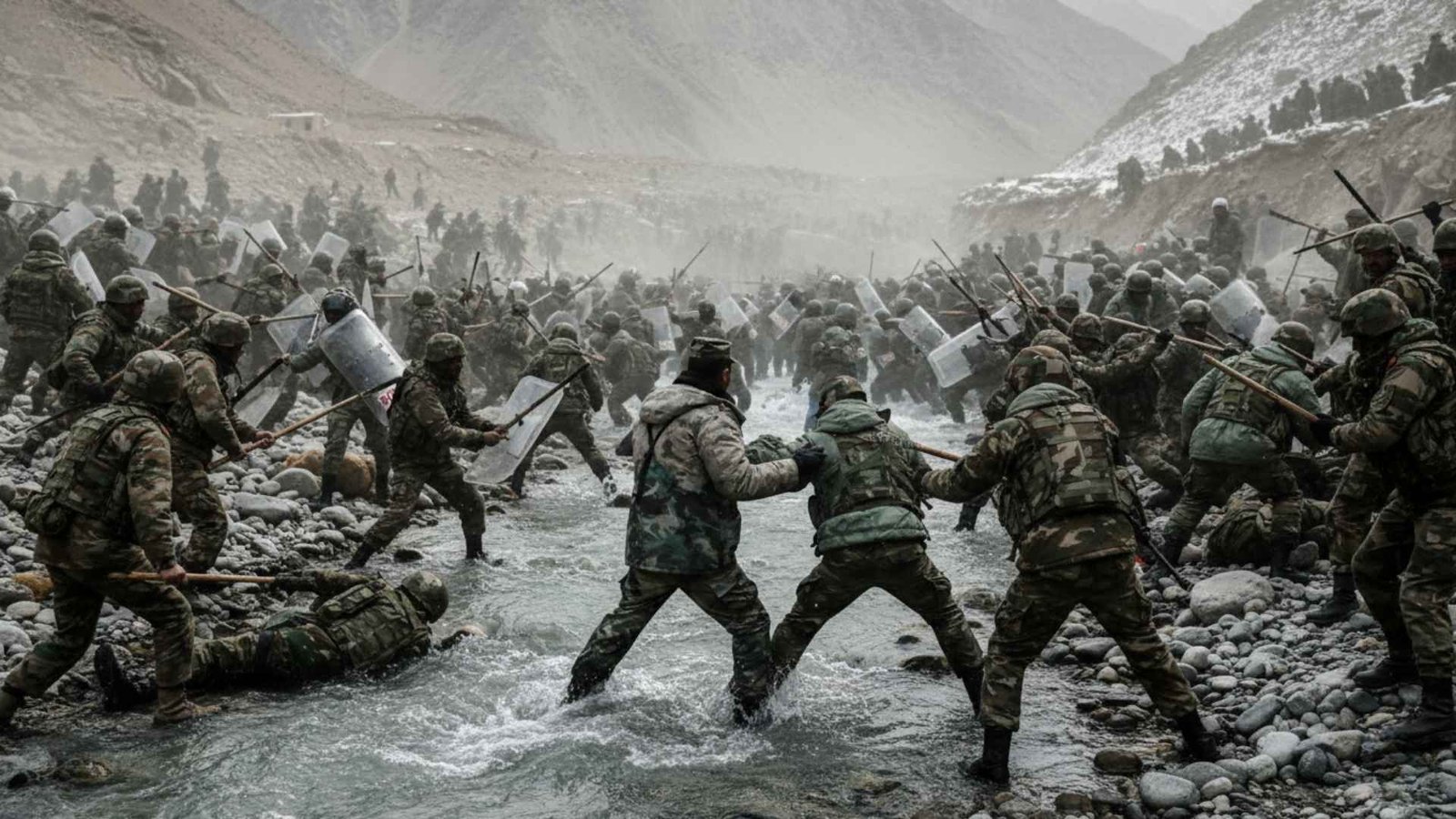
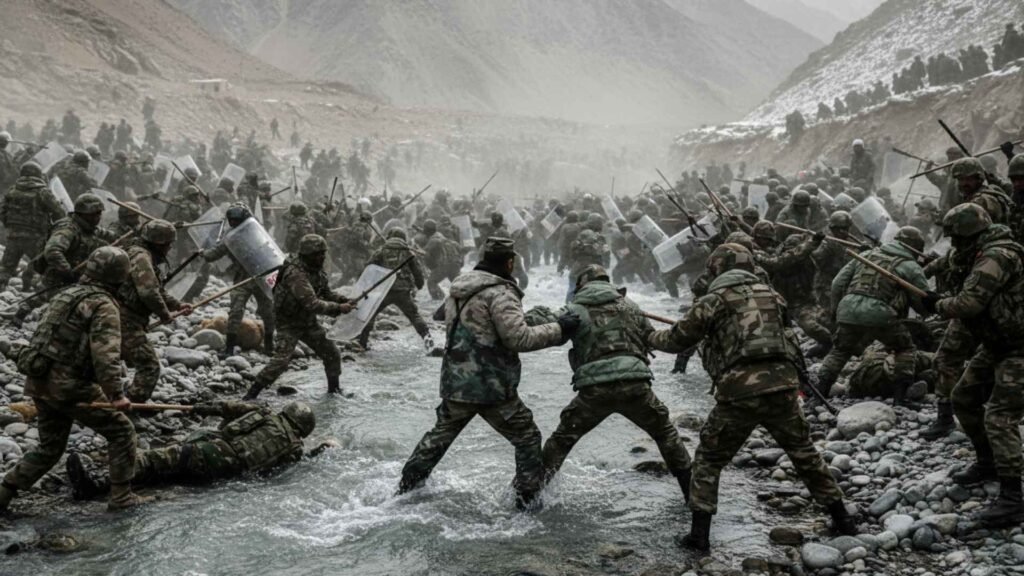
On the night of 15 June 2020, Indian and Chinese troops engaged in a violent face-to-face confrontation in Galwan Valley.
Due to existing agreements, no firearms were used. Instead, soldiers fought with:
- Stones
- Iron rods
- Wooden clubs
The clash lasted for several hours in extremely harsh terrain and freezing temperatures.
Casualties
- 20 Indian Army soldiers were killed, including a commanding officer
- China also suffered casualties, though official numbers were not immediately disclosed
This was the first fatal clash between the two countries since 1975.
Why Were Guns Not Used?
India and China have multiple border agreements (1993, 1996, and later protocols) that prohibit the use of firearms near the LAC to prevent escalation into full-scale war.
As a result, the Galwan clash became one of the most unusual modern military confrontations.
Immediate Aftermath
Following the clash:
- Both countries deployed additional troops and equipment
- Diplomatic and military talks were intensified
- India tightened scrutiny on Chinese investments and apps
- Anti-China sentiment rose in India
Despite tensions, both sides expressed the need to avoid further escalation.
Long-Term Impact of the Galwan Valley Battle
1. India-China Relations
The incident caused a major setback in bilateral relations, freezing many diplomatic engagements and trust-building efforts.
2. Military Preparedness
India significantly increased:
- Troop deployment in Ladakh
- Infrastructure development in border areas
- Surveillance and logistics capabilities
3. Global Attention
The clash highlighted China’s border disputes and drew attention from global powers, impacting geopolitical alignments in Asia.
Why the Battle of Galwan Valley Is Important
- It reshaped India’s security strategy
- It changed public perception of India-China relations
- It became a symbol of modern border warfare without firearms
- It reinforced the importance of border infrastructure and preparedness
Conclusion
The Battle of Galwan Valley stands as a defining moment in recent Indian military history. It underscored the fragile nature of peace along disputed borders and the high cost of unresolved territorial conflicts.
Even without gunfire, the clash showed how quickly tensions can escalate and why diplomacy, clarity, and restraint remain crucial for regional stability.