Top 4 Historical Kings of India
India’s royal history is a rich tapestry woven with the stories of powerful kings who shaped the subcontinent’s culture and politics over millennia. From ancient empire-builders to enlightened monarchs, these rulers not only expanded territories through conquest but also fostered governance, culture, and prosperity in their realms Their legacies are measured not just by the lands they ruled, but by the lasting impact of their reforms, patronage of arts, and visionary leadership on India’s rich royal heritage. Below, we explore the top five historical kings of India – spanning from antiquity to the early modern era – renowned as the greatest kings in Indian history for their extraordinary impact, achievements in governance, and enduring legacy.
Chandragupta Maurya (321–297 BCE) – Founder of the Mauryan Empire
Chandragupta Maurya was the founder of the Mauryan Empire and the first emperor to unify most of the Indian subcontinent under one rule. Rising from humble origins, he seized power in Magadha (Bihar) by overthrowing the oppressive Nanda dynasty and, guided by the brilliant strategist Chanakya (Kautilya), established a strong centralized state Under Chandragupta’s leadership, one of ancient India’s largest empires took shape, marking the subcontinent’s first experience of imperial unity.
- Unification of India: Chandragupta succeeded in bringing numerous fragmented kingdoms from the Himalayas to the Deccan under one administration – a remarkable achievement in ancient India. This pan-Indian empire ended regional conflicts and laid the foundation for stable governance.
- Military and Diplomacy: He defeated the powerful Nanda rulers and even confronted the successors of Alexander the Great in the northwest, freeing Indian territories from foreign Greek satraps and securing sovereignty. Through a treaty with Seleucus Nicator, Chandragupta gained additional lands (in today’s Afghanistan) in exchange for 500 war elephants, showcasing his diplomatic acumen.
- Administrative Reforms: With Chanakya’s counsel, he built an efficient central administration and tax system, as described in the classic treatise Arthashastra. Chandragupta’s government was noted for its remarkable efficiency and innovation in governance, including a network of spies and a standing army to maintain order.
- Legacy: Chandragupta Maurya’s rule saved India from misrule and foreign domination after Alexander’s invasion. By renouncing his throne in later life to become a Jain ascetic, he also set an example of spiritual leadership. He is remembered as a nation-builder who paved the way for one of the greatest empires in Indian history inspiring generations of future rulers in statecraft.
Ashoka the Great (268–232 BCE) – The Emperor of Dharma (Righteousness)
Ashoka, the grandson of Chandragupta, is celebrated as one of India’s greatest kings for exemplifying how compassion can guide imperial power. He inherited a vast Mauryan realm and expanded it further through warfare – until the bloody conquest of Kalinga (c. 260 BCE) became a turning point. Horrified by the massive suffering in that war, Emperor Ashoka felt deep remorse and embraced Buddhism, forsaking violence in favor of peace He refocused his reign on Dharma (righteous duty) and welfare, transforming the Mauryan Empire into a model of just governance.
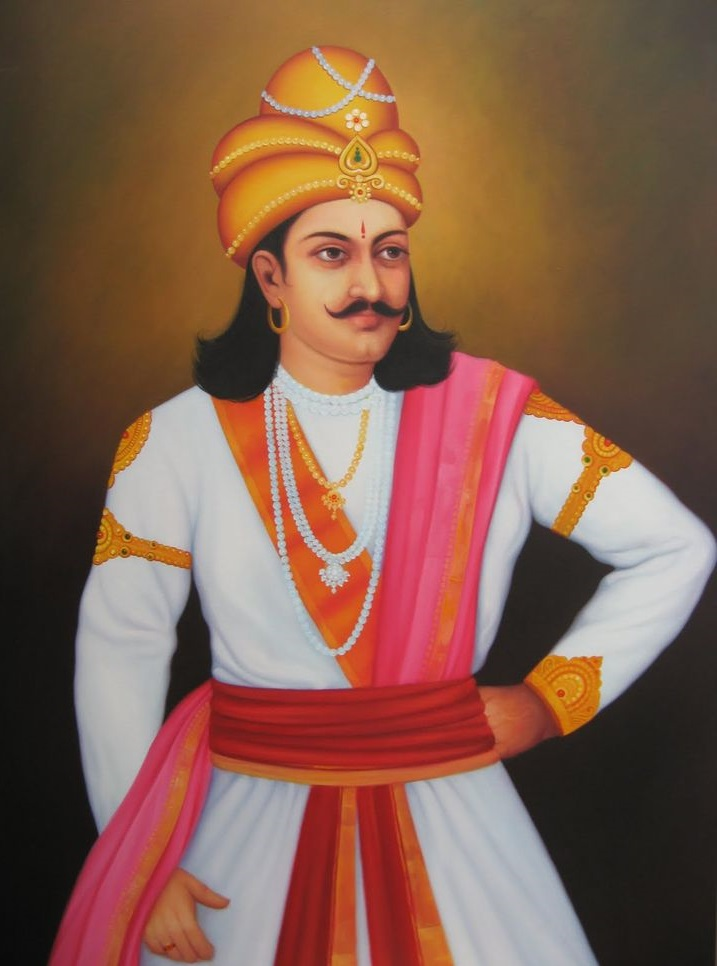
- Kalinga War and Remorse: The devastation of the Kalinga campaign (in present-day Odisha) led Ashoka to renounce further conquests. Moved by guilt, he declared that “true conquest” was to be won by Dharma, not by the sword. This dramatic change earned him the title “Emperor of Dharma,” as he vowed to rule through moral principles and nonviolence.
- Buddhist Conversion and Welfare: Ashoka converted to Buddhism and became its patron. He actively spread Buddhist ethics, sending missionaries across Asia (to Sri Lanka, Central Asia, and beyond) and building stupas and monasteries. The emperor’s famous Edicts, inscribed on pillars and rocks throughout his empire, urged people to live by virtues like compassion, truthfulness, and religious tolerance He funded public works – digging wells, planting shade trees, establishing hospitals and rest-houses – to promote the welfare of all beings.
- Just and Tolerant Rule: Ashoka governed through a centralized policy of Dhamma that favored peace and mutual respect. He treated his subjects like his “children,” regardless of religion or caste, and appointed officers (Dhamma Mahamatras) to ensure justice and care for people’s needs. Under Ashoka’s reign, the diverse Mauryan Empire stayed unified not by force, but by the principles of good governance and benevolence
- Enduring Legacy: Hailed in history as a model ruler, Ashoka’s reign set a high standard for ethical governance His vision of conquest by morality over violence was millennia ahead of its time. The Lion Capital of Ashoka (the sculpture atop his pillar at Sarnath) is today India’s national emblem, and the Ashoka Chakra wheel from its base adorns India’s flag as a symbol of righteousness. Ashoka’s legacy lives on as the emperor who proved that the greatest rulers of India can win hearts through virtue and humanity.
Samudragupta (c. 335–380 CE) – Gupta Empire’s “Napoleon of India”
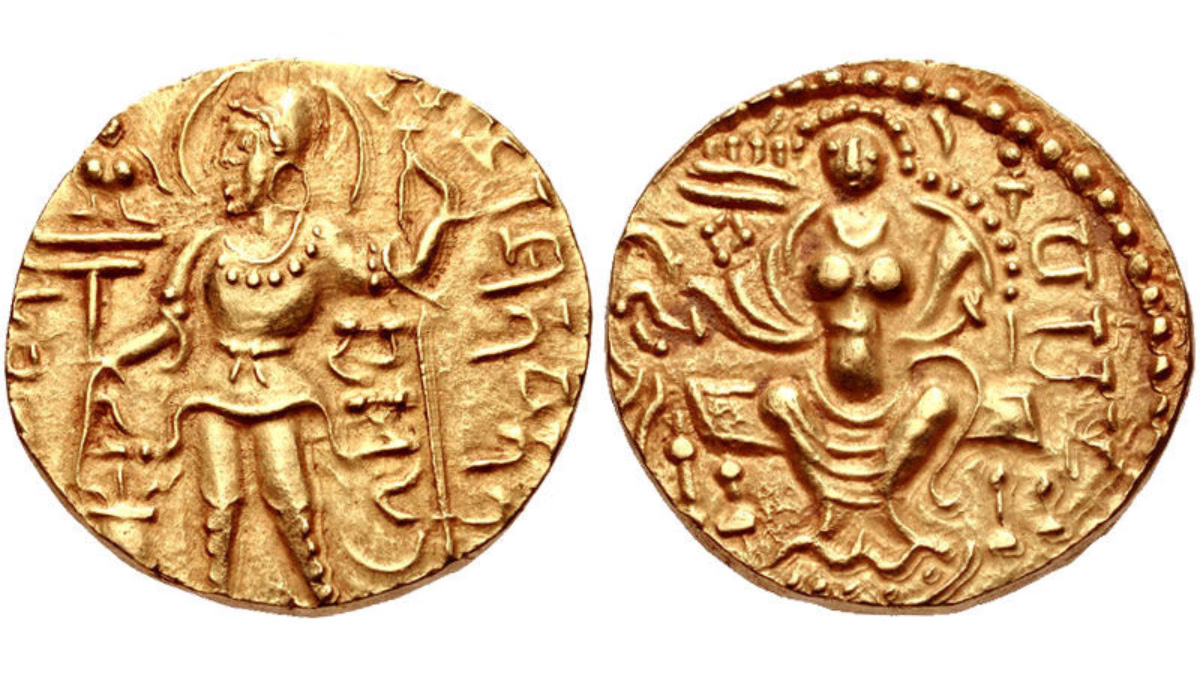
Samudragupta of the Gupta Empire was a brilliant military conqueror and patron of culture, often called the “Napoleon of India” for his string of victorious campaigns Succeeding his father Chandragupta I, he ruled for about 45 years and expanded a small kingdom into a dominant empire controlling much of the Indian subcontinent. Samudragupta’s reign marked the beginning of India’s Golden Age, a period renowned for its flourishing arts and sciences.
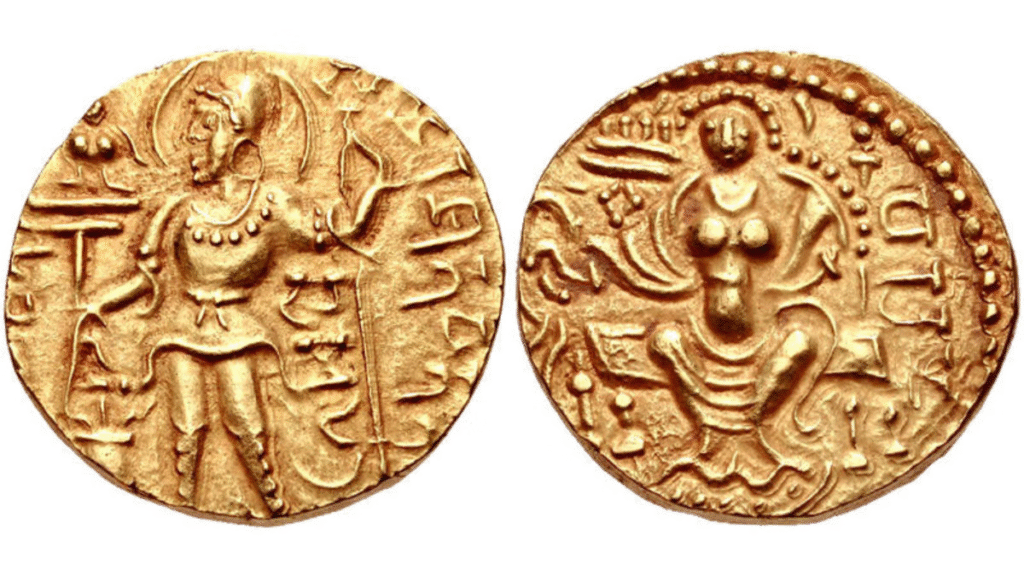
- Military Conquests: Samudragupta embarked on an aggressive campaign of expansion across India. According to inscriptions (like the Allahabad Pillar), he defeated or subdued dozens of kings, exterminating 9 rulers in the north and vanquishing 12 more in the south His conquests extended the Gupta Empire over most of northern India and even into the eastern Deccan, making him the paramount ruler of his time. Many defeated southern kings were reinstated as vassals, paying tribute to Samudragupta’s court – a testament to his diplomatic tact in consolidating power
- Gupta Golden Age: With his military victories securing peace and prosperity, Samudragupta’s era ushered in a “Golden Age” of Hindu civilization Trade and agriculture thrived, and the empire became affluent, providing patronage to education and the arts. This period saw significant advancements in mathematics, astronomy, literature, and medicine – achievements that owe much to the stability and encouragement provided by Samudragupta and his successors
- Cultural Patronage: Unusual for a conqueror, Samudragupta was also a scholar, poet, and musician. He is portrayed in coins strumming a veena (lute), indicating his talent and patronage in music He supported learned scholars and poets at his court, epitomizing the ideal of a warrior-poet king. Under his reign, Sanskrit literature and art blossomed, and Hindu rituals like the Ashvamedha (horse sacrifice) were revived to legitimize his imperial power
- Legacy: Historians regard Samudragupta as the epitome of an ideal king of India’s classical age. His combination of military genius and cultural refinement set the template for Gupta rulers. By unifying northern India and patronizing the arts, he laid the groundwork for an era of unparalleled cultural achievements. Samudragupta’s name remains synonymous with conquest and creativity – a ruler who expanded an empire and nurtured a civilization’s golden heritag
Raja Raja Chola I (985–1014 CE) – Great Chola Emperor of Southern India
Raja Raja Chola I was the mighty king who transformed the medieval Chola Dynasty into a far-reaching maritime empire. Ascending the throne in Tamil Nadu, South India, he restored Chola power and expanded it beyond traditional borders, including overseas conquests. His reign was marked by military brilliance, able governance, and grand patronage of art and architecture – earning him renown as one of South India’s greatest kings.
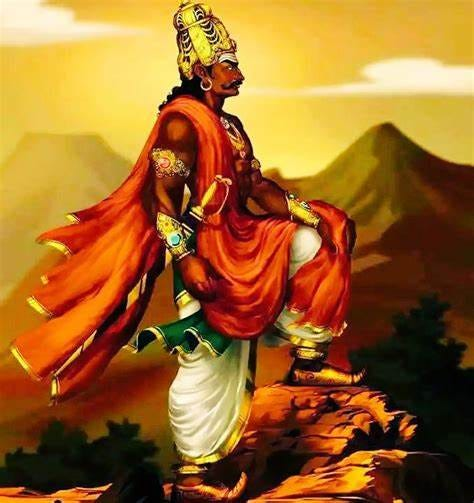
- Territorial & Naval Expansion: Raja Raja Chola undertook sweeping conquests to dominate South India and the Indian Ocean. He annexed neighboring kingdoms – defeating the Chera dynasty to control Kerala’s port cities and crushing the Pandya dynasty to the south He then launched naval expeditions across the sea: conquering northern Sri Lanka and establishing Chola authority there, as well as annexing the Maldives and likely influencing parts of Southeast Asia By 1014, the Chola Empire under Raja Raja encompassed Tamil Nadu, Kerala, parts of Karnataka and Andhra, Sri Lanka, and islands beyond, with a naval fleet commanding the Bay of Bengal and Arabian Sea trade routes
- Architectural & Cultural Patronage: A highlight of Raja Raja’s legacy is his contribution to Indian art and temple architecture. He commissioned the magnificent Brihadeeswarar Temple at Thanjavur, completed in 1010 CE. This colossal Shiva temple – with its 190-foot stone tower and exquisite sculptures – showcased the zenith of Chola engineering and aesthetics, and remains a UNESCO World Heritage site. Raja Raja also encouraged literature and the arts, supporting Tamil poets and devadasi dancers. His reign saw a cultural renaissance in the Tamil world, blending devotion with artistic expression.
- Administrative Reforms: Raja Raja Chola governed efficiently by reorganizing his empire into administrative districts called Valanadus (provinces) for better control He replaced hereditary local chieftains with royal officers, ensuring loyalty to the crown. Detailed inscriptions from his reign record royal decrees, tax assessments, and donations to temples – reflecting a high degree of administrative sophistication. He maintained a strong standing army and navy, and instituted a systematic land survey for fair tax collection, which boosted the kingdom’s revenue and prosperity.
- Legacy: Raja Raja Chola I is venerated as a visionary ruler who presided over the medieval golden age of the Cholas. He established the Cholas as a dominant power in South Asia and the Indian Ocean, a position they would hold for a century after him. His model of imperial governance combined military might with cultural patronage, leaving an enduring imprint on South Indian history. Even today, Tamil people remember Raja Raja as Periya Uḍaiyār (the “great king”) – an iconic monarch who built an empire, a majestic temple, and a lasting legacy of Tamil pride and power
Conclusion
From the ancient Mauryan emperors to the mighty Mughals, these four great kings represent the pinnacle of Indian royalty and the diversity of India’s royal heritage. Each ruler forged a legacy: Chandragupta Maurya founded the first pan-Indian empire; Ashoka proved the power of governance by moral example; Samudragupta expanded the realm and nurtured a golden age; Raja Raja Chola spread Indian influence overseas and built enduring marvels; Their reigns facilitated the rise of vast empires, stimulated knowledge and culture, and improved the lives of their people
While countless monarchs have left their mark on subcontinental history, these five stand out as the greatest kings of Indian history for their visionary leadership and impact. Their stories, spanning India’s ancient, classical, medieval, and early modern eras, continue to inspire awe and admiration. India’s rich royal heritage, as epitomized by these legendary rulers, remains a source of pride – a reminder of an era when great kings and emperors shaped the destiny of the Indian subcontinent with courage, wisdom, and foresight.
India’s history, in sum, has been profoundly shaped by its extraordinary kings – leaders whose achievements and ideals still resonate in the modern nation they helped define
Sources: Historical information compiled from Encyclopædia Britannica, Jagran Josh (General Knowledge), and Times of India archives. Citations have been provided for verification of facts.